1. Describe what you found
Tell the team about syringes, powders, stains or smells. You do not need to explain why they are there.
Estherville, IA · Emmet County
Is a rental unit, a family member's room or a vacant building in Estherville full of items nobody wants to touch? Call (877) 812-4220 for paraphernalia removal, residue cleaning and discreet service.
If anyone is in danger, call 911 first. For a suicide crisis, call or text 988.
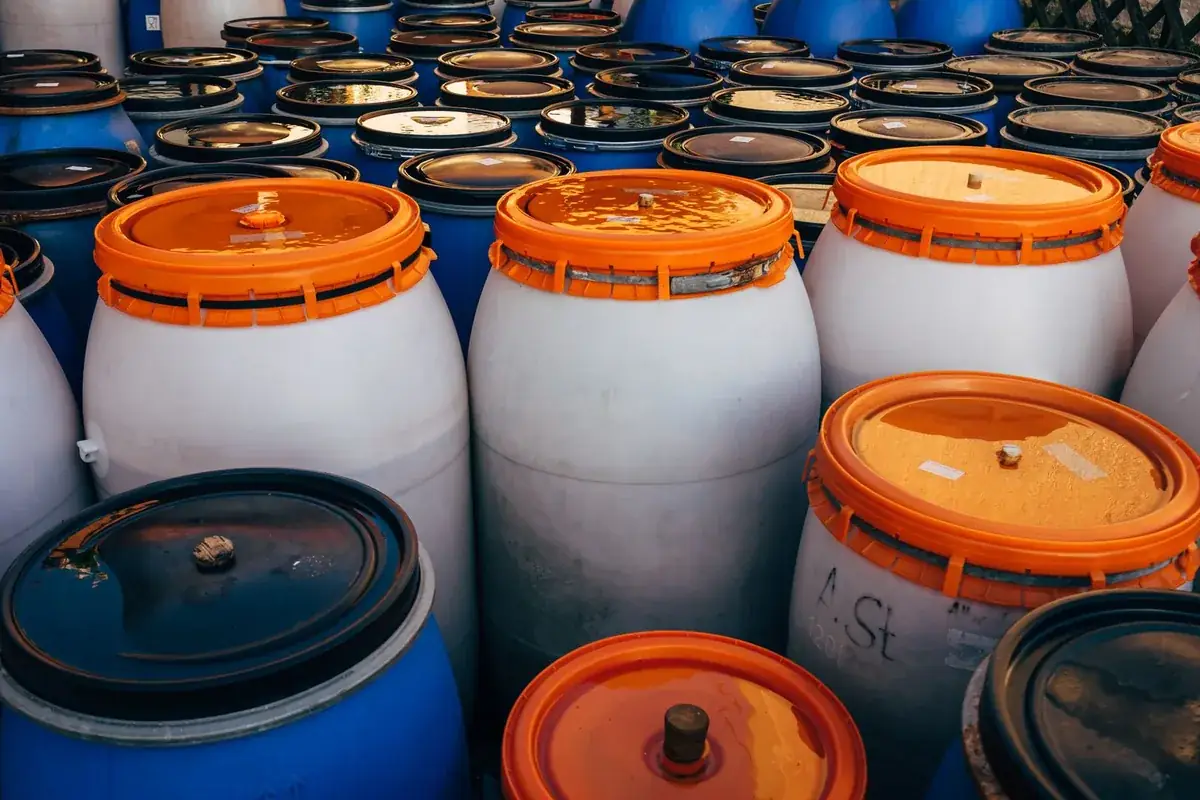
Syringe and drug item cleanup includes finding hidden sharps, lifting them with tools, sealing them in rigid containers and disposing of them as medical waste.
Drug paraphernalia cleanup in Estherville is a safety and dignity job, and you can ask Estherville Biohazard Cleanup Help for that kind of care in Emmet County. The crew keeps details private, takes care with every item and explains what was done.
A vacancy rate near 10% in Emmet County means more empty houses and lots, which are common places for discarded items to be found. After a needle stick or exposure to an unknown substance, get medical care. Avera Holy Family Hospital in Estherville is the closest emergency room to Estherville.
The work often covers:
Tell the team about syringes, powders, stains or smells. You do not need to explain why they are there.
Crews put on gloves, eye protection and respirators when needed, then search every room for sharps and other items.
Contaminated materials are bagged and carried out. Rebuilding or replacing them can wait until the space is clean.
The space is checked once more, and the crew answers questions before leaving.
The cost of drug paraphernalia cleanup in Estherville, IA depends on the amount of material, how it is packed and how it is hauled.
Documentation for a landlord, insurer or buyer can add some time, so tell the team up front if you will need it.
| Type of job | Typical range |
|---|
These ranges come from published cost guides () and are not a quote for Estherville. Price drivers include amount of material, whether residue is present, surfaces affected, waste disposal. For a real number, call (877) 812-4220.
It is safer not to. You often cannot tell what an item or residue is, and hidden sharps are a risk. Do not mix cleaning products. A cleanup team has the protective gear and containers to do it safely, without judgment.
The owner of the property usually pays at first. Lease terms and local law decide who is responsible in the end. A landlord, an attorney or a tenant rights group can say. Keep any record the cleanup team gives you, since a landlord or insurer may ask for it.
No. A good team asks only what it needs to plan the work, and you decide what to share. If privacy matters, ask about discreet, unmarked arrival when you call. Teams differ, so ask how the call and the visit are handled.
Some residues can harm people who touch them, and you cannot tell by looking which ones. That is why gloves are not a substitute for professional cleanup. If skin touches something unknown, wash with soap and water and call Poison Control.
Police and the city do not usually clean the space afterward. The owner or the family books the cleanup once the scene is released. A cleanup team can work after the release and explain the steps. Ask the agency when the space is cleared.
Crews wear protective gear, remove sharps and loose items, and then clean hard surfaces with EPA-registered disinfectants. Porous materials such as carpet, padding or upholstery that took in residue may be removed. The team can explain what applies to your space.
One call can start the cleanup of a room, a rental unit or a whole home.
Call (877) 812-4220